

Let to Buy Mortgages Explained
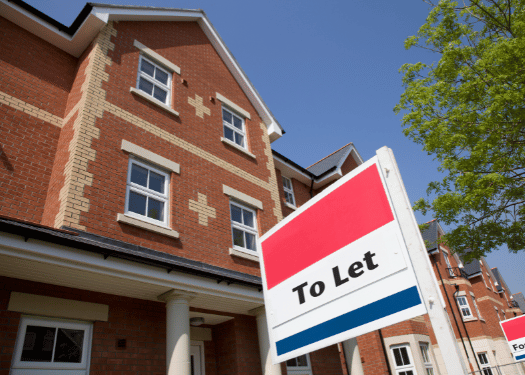
A Let to Buy mortgage is when you keep your current home to rent out and purchase a new one to live in. You will remortgage your existing home onto a Buy to Let mortgage. Then purchase a second property with a new residential mortgage.
There are many reasons that you might consider a Let to Buy mortgage. Here are some of the most common reasons our clients tell us about:
- You want to purchase a home with your partner, but keep your home as security for the future
- You want to move to a new house but keep your property as an investment for the future
- You’ve found a new home to buy but haven’t been able to sell your current home
- You’re relocating with work but want the option of moving back home in the future
- You live in an area with high rental yields and want to keep your home to benefit from this
This will mean you will have two mortgages: a Buy to Let Mortgage on your current home and a Residential Mortgage on your new home.
It might be that both mortgages are with the same lender or they might be with different lenders.
Generally our clients release additional equity from their property by increasing the mortgage loan when they remortgage. You can then use this as a deposit on the new home together with any savings.
Your lender(s) will want to know that your rental income will cover your Buy to Let repayments. And that you can afford to pay the new residential mortgage.
Our team of experienced mortgage advisers will take the time to walk you through this entire process. We’ll do the calculations to understand how much extra equity you can release from your property and how much you can afford to borrow for your new residential property.
The process can sound quite complicated, but an experienced mortgage broker like Your Mortgage Expert will work hard to take away the stress. We will also manage the whole process to ensure that the two mortgage applications complete at the same time.
We regularly support homeowners across Salisbury and Wiltshire who want to move while retaining their existing property as an investment.
Contact us today for Let to Buy mortgage advice. You are more likely to have a successful outcome if you use an experienced mortgage broker like us.
A MORTGAGE IS A LOAN SECURED AGAINST YOUR HOME. YOUR HOME MAY BE REPOSSESSED IF YOU DO NOT KEEP UP REPAYMENTS ON YOUR MORTGAGE OR ANY OTHER DEBT SECURED ON IT.
There may be a fee for mortgage advice. The actual amount you pay will depend upon your circumstances. The fee is up to 1% but a typical fee is 0.3% of the amount borrowed.
Why Choose us?
Our experienced team is based in the heart of Salisbury, Wiltshire, but we can help you no matter where you live in the UK. If you want to find out more about us, visit our Meet the Team page.
We have:
- Over 80 years of experience in the mortgage and protection industry
- Access to specialist lenders and exclusive deals
- We have over 150 five-star reviews on Google
- Have helped hundreds of Buy to Let investors
How we work:
- Take time to get to know you and your intentions
- Personalised, hard working service
- Close relationships with specialist lenders
- Detailed research to ensure you save money
- Take care of the paperwork to minimise stress
- The experience to get a good result for you
 Email Dan Harris
Dan Harris - Mortgage Adviser
Dan started working in the mortgage industry in 2004. Since then, he has helped lots of Buy to Let investors. Dan has great attention to detail and will do the hard work to ensure you get the best recommendation.- Email Dan Allen
Dan Allen - Mortgage Adviser
Dan Allen has worked with mortgages for over 10 years. He takes time to understand different lender criteria. His wealth of knowledge means he will know which lenders will work for you situation.


How Does a Let to Buy Mortgage Work?
A Let to Buy mortgage allows you to move into a new home while keeping your current property as a rental investment. It involves arranging two separate mortgages at the same time.
In practice, the process usually works like this:
Remortgage your current home onto a Buy to Let mortgage.
This allows you to rent the property out legally and may enable you to release equity.Release equity from your existing property.
Many lenders will allow borrowing up to 75% loan-to-value (LTV), provided the rental income supports the mortgage.Use the released equity as a deposit on your new home.
The funds raised can form all or part of the deposit for your onward purchase.Arrange a new residential mortgage for your new property.
This will be assessed based on your income and financial commitments.
Lenders will want to ensure that:
- The rental income covers the Buy to Let mortgage payments (usually with a stress test buffer).
- You can afford the new residential mortgage independently of the rental income (in most cases).
Because two applications are being assessed simultaneously, careful planning is essential to ensure both mortgages complete smoothly together.

How Much Deposit Do You Need for Let to Buy?
The amount of deposit required for a Let to Buy arrangement depends largely on how much equity you have in your current home.
Most Buy to Let lenders require:
A maximum of 75% loan-to-value (LTV) on the property being rented out
Rental income that comfortably covers the mortgage payment (usually 125–145% of the payment at a stressed rate)
For example:
If your current home is worth £400,000 and you have an outstanding mortgage of £200,000, you may be able to remortgage up to 75% LTV (£300,000). This could potentially release £100,000 in equity (subject to lender approval and affordability).
That released equity can then be used as a deposit towards your new residential property.
For the new home, deposit requirements will depend on:
- The purchase price
- Your income
- Lender affordability criteria
Careful structuring is important, as lenders assess the Buy to Let mortgage and the residential mortgage differently.

Is Let to Buy Better Than Selling Your Home?
Let to Buy can be an attractive option if you want to retain your current property as a long term investment. However, it is not suitable for everyone.
Let to Buy may be appropriate if:
- You expect property values to continue rising
- You want to build a rental income stream
- You live in an area with strong rental demand
- You cannot afford to sell at current market values
However, it is important to consider the responsibilities and risks of becoming a landlord, including:
- Potential void periods
- Maintenance and repair costs
- Tax implications
- Stamp Duty considerations on your new purchase
- Regulatory and compliance obligations
In some cases, selling your current home and simplifying your finances may be the better long-term option.
We take the time to review your full financial position and future plans before recommending whether Let to Buy is the right strategy for you.
Let to Buy Mortgage FAQs – Everything You Need to Know
Let to Buy mortgages can feel complex because they involve arranging two mortgages at the same time – a Buy to Let mortgage on your current property and a residential mortgage on your new home. Below are answers to the most common questions we receive from homeowners considering a Let to Buy strategy.
Frequently Asked Questions
What is a Let to Buy mortgage?
How much equity do I need for Let to Buy?
Does rental income need to cover the mortgage?
Can I use the equity in my current home as a deposit?
Do I need two separate lenders for Let to Buy?
Will rental income count towards affordability for my new mortgage?
Do I pay higher Stamp Duty with Let to Buy?
Can I do Let to Buy if I’m self employed?
What are the risks of Let to Buy?
A MORTGAGE IS A LOAN SECURED AGAINST YOUR HOME. YOUR HOME MAY BE REPOSSESSED IF YOU DO NOT KEEP UP REPAYMENTS ON YOUR MORTGAGE OR ANY OTHER DEBT SECURED ON IT.
There may be a fee for mortgage advice. The actual amount you pay will depend upon your circumstances. The fee is up to 1% but a typical fee is 0.3% of the amount borrowed.